
Nutrition chaos: When personal experience becomes "Fact"

You don't have to scroll very far online before someone confidently informs you that:
"This food causes inflammation."
"That spikes your blood sugar."
"These foods are toxic."
"Seed oils are destroying your health."
"Cortisol is making you gain weight."
"You've been eating breakfast wrong your entire life."
And if none of those land, don't worry. By tomorrow there'll be a new villain. One week it's oat milk. The next it's bananas.
One minute you're making a perfectly normal sandwich, the next you're being told bread is the reason you're tired, bloated, inflamed and incapable of reaching your full potential.
This information is compelling because it's often delivered with absolute certainty. The person sharing the information usually looks healthy, sounds knowledgeable and has a dramatic before-and-after story to back it up.
And that's exactly why nutrition has become such a confusing space. The truth is that everyone has a relationship with food. Everyone eats. Everyone has experiences with food. As a result, everyone has an opinion about what works. But what works for one person isn't automatically evidence that it works for everyone.
This is where anecdotal evidence enters the conversation. Anecdotal evidence isn't useless. In fact, it's often where scientific questions begin. If enough people observe a similar outcome, researchers may investigate further. Personal experiences can be valuable observations. The problem arises when observations become conclusions.
Just because someone feels better after removing a certain food doesn't necessarily mean that food was the cause. Just because someone started taking a supplement and experienced more energy doesn't mean the supplement deserves all the credit.
Health is rarely that simple. One of the biggest issues with nutrition advice online is that people often attribute success to a single change when, in reality, they changed multiple things at once.
Imagine someone starts taking a new supplement. At the same time, they're also sleeping better, exercising more, drinking more water, eating more vegetables, reducing alcohol intake and paying greater attention to their health overall.
A few weeks later they feel fantastic.
What caused the improvement?
The supplement?
The improved sleep?
The increased movement?
The better nutrition?
The reduction in alcohol?
Most likely, it's a combination of all of them.
Yet human nature loves simple explanations. We want a single reason for success because it's easier to understand and easier to sell. So the supplement gets all the credit while the dozens of other health-promoting behaviours fade into the background.
This is one of the reasons why nutrition science relies on carefully controlled studies rather than individual stories. Unfortunately, the online health world is full of claims that haven't been supported by what researchers would consider gold-standard evidence. A theory can sound logical. It can even seem convincing. But until it has been tested rigorously, it remains a theory. The scientific process exists for a reason. It helps separate what is true from what simply sounds true. And while the internet is constantly chasing the next nutrition controversy, the fundamentals remain remarkably boring.

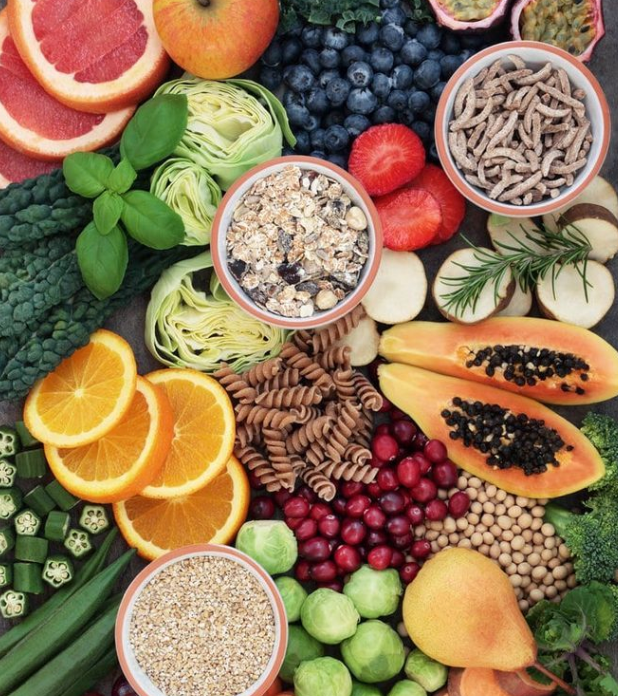
The healthiest dietary patterns observed across decades of research don't revolve around miracle foods, detoxes or secret supplements. Instead, they consistently look something like this: A diet based predominantly on whole or minimally processed foods. Regular consumption of fruits and vegetables. Adequate protein intake. Plenty of fibre. Mindful consumption of ultra-processed foods. Reasonable awareness around alcohol intake. Not perfection. Not restriction. Just consistent habits repeated over time.
Perhaps the most overlooked consequence of modern nutrition culture is the amount of fear it creates around food. People are increasingly worried about ingredients they can't pronounce, foods they've eaten safely for decades, or entire food groups that have suddenly become the villain of the week.
Food becomes something to fear rather than something that nourishes, satisfies and brings enjoyment. But fear itself isn't healthy. Being terrified of eating bread isn't healthy. Feeling anxious about attending social events because of the food available isn't healthy. Obsessively searching ingredient labels for hidden dangers isn't healthy.
A genuinely healthy lifestyle should improve your quality of life, not reduce it.
The irony is that most people don't need more nutrition information. They need less noise.
The fundamentals of health haven't changed nearly as much as social media would have you believe. What has changed is the volume of opinions competing for your attention.
So before accepting the next viral nutrition claim, it's worth asking a simple question:
Is this backed by robust evidence, or is it simply someone's experience?
Because while experiences are interesting, they aren't the same thing as facts.
And sometimes the healthiest thing you can do is step away from the noise, focus on the basics and remember that good health is built on patterns, not magic bullets.
Laura


Comments